What to pack, and what to leave at home
Neutral colours, soft-sided bags, and a few Kenyan rules that catch first-timers off guard - here's the complete list.
A few rules that aren't obvious until you're there
Plastic bags are illegal in Kenya - bring fabric ones instead. Camouflage-pattern clothing, even a hat, is best avoided since it's associated with military dress and can draw questions.
If your itinerary includes a small-aircraft flight safari, luggage is capped at 15kg per person including hand luggage, and must be soft-sided to fit aircraft storage. Split clothing across bags in case one goes missing, and keep meds, documents and electronics in a carry-on shoulder bag.
Ask us about your itinerary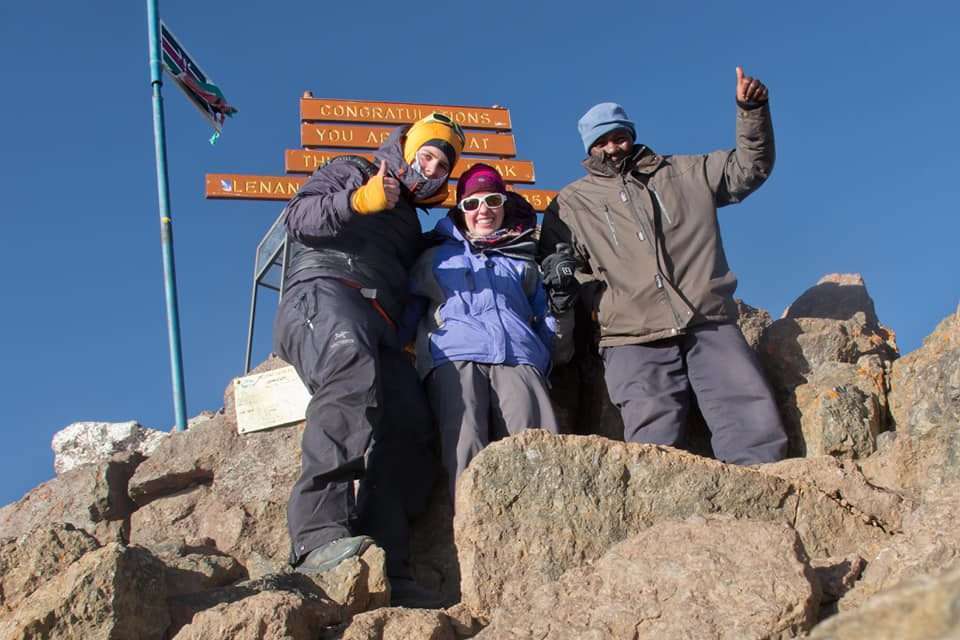
Neutral colours, and dress in layers
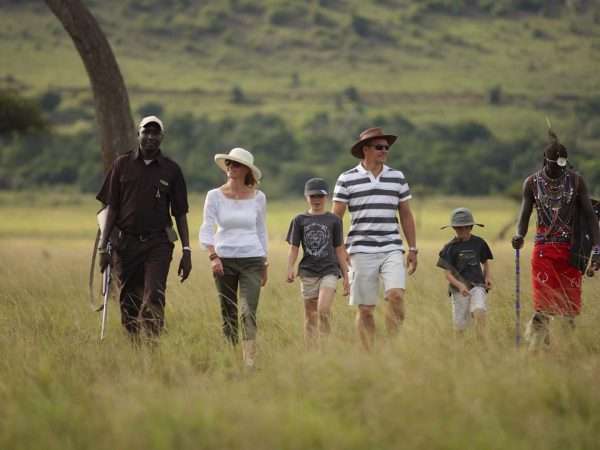
Khaki, beige and forest green work best - bright colours can alert wildlife and attract insects, while neutrals also hide safari dust. Ask your travel advisor about weather at each stop, since the Mara can be warm while Mount Kenya or Aberdare run cool.
Layering is the trick: peel off a jacket as the morning warms, add it back as the sun drops in the evening. Most lodges offer laundry service, often free, so there's no need to over-pack.
Clothing, toiletries, and devices
Clothing
- 1 long-sleeved safari shirt, breathable fabric
- 2-3 T-shirts
- 2 pairs safari shorts/trousers with pockets
- Long-sleeve, full-leg pyjamas
- Swimsuit
- Lightweight jacket or fleece
- Light rain jacket
- Scarf or bandana
- Sunproof hat, lightweight
- Closed sturdy shoes, hiking boots for trails
Toiletries & Medicine
- Pain relievers
- Malaria pills
- Imodium
- Insect repellent
- Sunscreen
- Hand sanitizer
- Allergy pills
- Lip balm
Devices & Documents
- Camera with zoom lens, extra batteries/cards
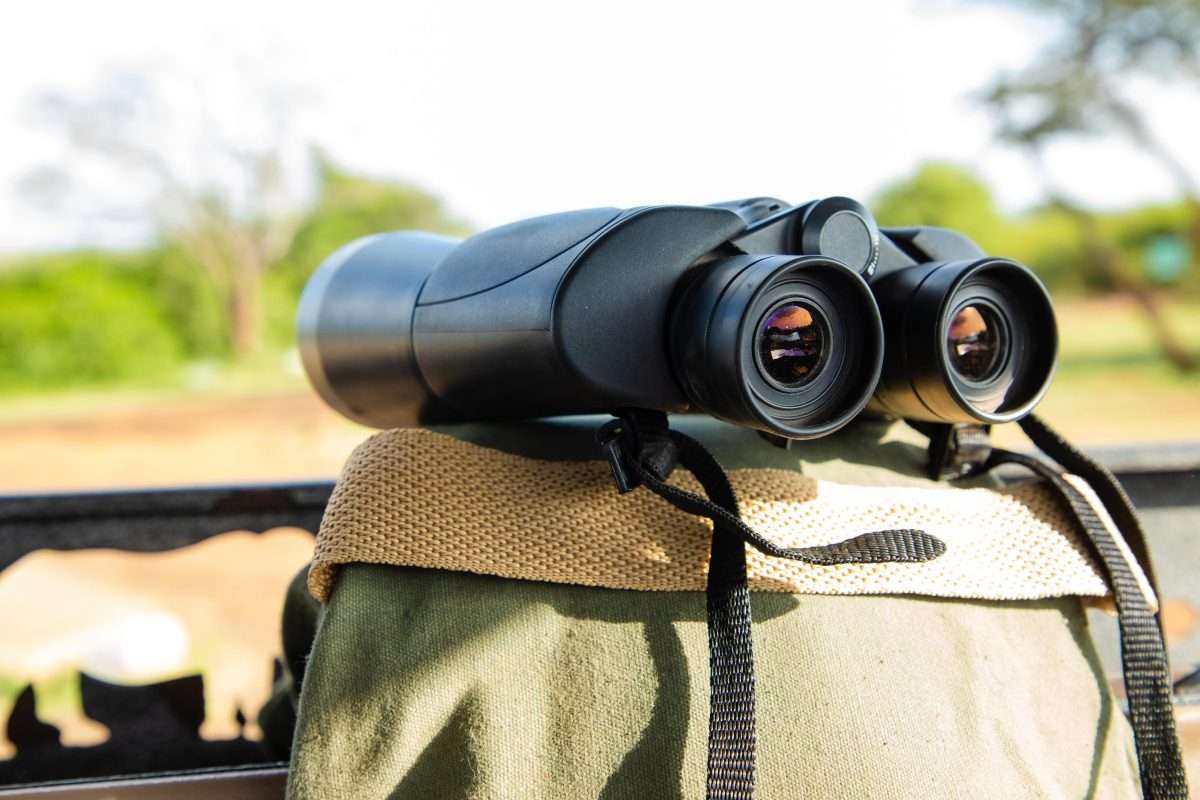
- Your own binoculars (8x40 works well)
- Multi-socket power adaptor
- Passport valid 6+ months
- Vaccination certificates
- Travel insurance details
- Photocopies of key documents
- Second form of ID
Small items that make a real difference
Packing for safari - your questions answered
What's the luggage weight limit on flight safaris?
15kg per person, including hand luggage, on small aircraft. Bags should be soft-sided (duffel-style) rather than hard-shell suitcases, to fit aircraft storage.
Do I need to bring my own binoculars?
We provide Olympus binoculars in every 4x4, but bringing your own (around 8x40) gives you instant, personal access whenever you want them.
Why should I avoid camouflage-pattern clothing?
It's associated with military dress in East Africa and can draw unwanted questions - even a camouflage-pattern hat is best left at home.
Are plastic bags allowed in Kenya?
No - plastic bags are illegal in Kenya. Pack fabric or reusable bags instead for any loose items.
Do I need malaria medication?
Both Kenya and Tanzania are malaria-endemic. Consult your doctor on antimalarial medication, and pack insect repellent as an added layer of protection.
What if I forget to pack something essential?
Tell your guide - they often carry spares or can point you to local markets and camp shops that stock basics, though it's best to arrive prepared.